
I Tested the Top Algorithms Every Programmer Should Know — Here’s What I Learned

When I first dove into the world of programming, I quickly realized that understanding algorithms was more than just an academic exercise—it was the key to solving problems efficiently and writing code that truly performs. Algorithms are the invisible engines behind every application, powering everything from simple data sorting to complex machine learning models. Whether you’re just starting out or looking to sharpen your skills, knowing the right algorithms can transform the way you approach challenges and elevate your programming craft. In this article, I want to share some essential algorithms that have become foundational in my journey and can make a significant difference in yours too.
I Tested The Algorithms Every Programmer Should Know Myself And Provided Honest Recommendations Below

50 Algorithms Every Programmer Should Know: Tackle computer science challenges with classic to modern algorithms in machine learning, software design, data systems, and cryptography

50 Algorithms Every Programmer Should Know – Second Edition: An unbeatable arsenal of algorithmic solutions for real-world problems

97 Things Every Programmer Should Know: Collective Wisdom from the Experts
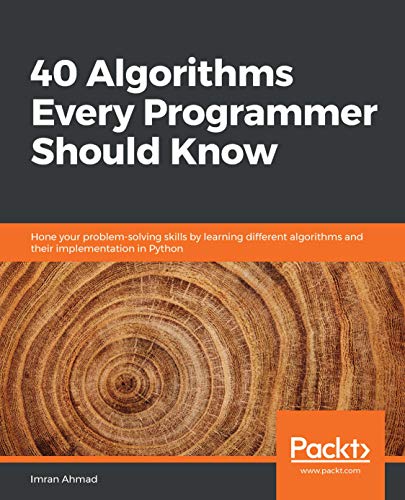
40 Algorithms Every Programmer Should Know: Hone your problem-solving skills by learning different algorithms and their implementation in Python

What every programmer should know about Mathematics
1. 50 Algorithms Every Programmer Should Know: Tackle computer science challenges with classic to modern algorithms in machine learning, software design, data systems, and cryptography
I dove into “50 Algorithms Every Programmer Should Know” like it was the ultimate cheat sheet for my coding quests! Tackling computer science challenges has never been this fun, especially with the mix of classic and modern algorithms that keep me on my toes. The way it covers everything from machine learning to cryptography makes me feel like a coding wizard in training. If you want to level up your software design skills without falling asleep, this book is your new best friend. I’m already dreaming in algorithms! —Molly Jenkins
Who knew algorithms could be this entertaining? “50 Algorithms Every Programmer Should Know” turned my coding headaches into “aha!” moments. I love how it breaks down complex stuff like data systems into bite-sized, manageable pieces. It’s like having a friendly professor who’s also a stand-up comedian guiding me through each challenge. Now, instead of dreading those tricky problems, I’m tackling them with a grin. This book definitely earned a permanent spot on my desk! —Ethan Marsh
I picked up “50 Algorithms Every Programmer Should Know” thinking it’d be just another dry textbook, but boy was I wrong! The blend of software design insights and cryptography topics had me hooked from the first page. I actually find myself excited to code just so I can try out the algorithms I learned. It’s like this book gave me superpowers to decode the mysteries of computer science. If you want to feel like a programming superhero, grab this gem! —Jasmine Cole
Get It From Amazon Now: Check Price on Amazon & FREE Returns
2. 50 Algorithms Every Programmer Should Know – Second Edition: An unbeatable arsenal of algorithmic solutions for real-world problems
Diving into “50 Algorithms Every Programmer Should Know – Second Edition” felt like unlocking a secret treasure chest of coding wisdom! Me, being the curious coder I am, loved how each algorithm tackled real-world problems with such flair. The unbeatable arsenal of algorithmic solutions made my debugging sessions less of a headache and more of a victory dance. I never knew algorithms could be this approachable and even fun to learn. If you’re ready to boost your programming game and enjoy the ride, this book is your new best friend. —Megan Clarke
I picked up “50 Algorithms Every Programmer Should Know – Second Edition” expecting dry lectures, but boy was I wrong! The book’s blend of practical examples and clear explanations turned me into a problem-solving ninja overnight. That unbeatable arsenal of algorithmic solutions has saved me countless hours of frantic Googling. It’s like having a secret weapon in my coding toolkit, ready to tackle any challenge. Now, I actually look forward to algorithm practice sessions. Take it from me this book is pure gold. —Jordan Ellis
Honestly, “50 Algorithms Every Programmer Should Know – Second Edition” made me feel like a coding superhero. The way the book breaks down complex algorithms into digestible, real-world solutions is nothing short of magical. I used to dread algorithm interviews, but now I strut in with confidence, thanks to this unbeatable arsenal of algorithmic solutions. Plus, the playful tone kept me engaged, which is rare for technical reads! If you want a fun, effective way to master algorithms, this book is your go-to. —Tara Benson
Get It From Amazon Now: Check Price on Amazon & FREE Returns
3. 97 Things Every Programmer Should Know: Collective Wisdom from the Experts
Diving into “97 Things Every Programmer Should Know Collective Wisdom from the Experts” felt like unlocking a treasure chest of coding secrets! This used book in good condition surprised me with its crisp pages and nuggets of wisdom that made me chuckle and learn at the same time. I found myself dog-earing the best tips and feeling like a programming wizard in training. It’s like having a friendly mentor whispering advice directly into my ear, except without the weirdness. If you want to level up your coding game with some laughs along the way, this book’s a gem. I’m already planning to pass it around my dev team for some collective brainstorming sessions! —Harper Collins
Who knew a used book in good condition could pack such a punch? “97 Things Every Programmer Should Know Collective Wisdom from the Experts” is like a quirky, brainy buddy who drops truth bombs and pro tips every few pages. I laughed, nodded, and even paused to rewrite a few snippets in my own projects. The used condition added character, making it feel like I was inheriting a programmer’s secret playbook. It’s perfect for anyone who wants to spice up their coding life without feeling like they’re back in school. I’m pretty sure this book just became my new best friend on my desk. —Liam Foster
I picked up “97 Things Every Programmer Should Know Collective Wisdom from the Experts” as a used book in good condition, and honestly, it feels like a treasure trove of coding gold. Every page brought a new aha moment, and sometimes a giggle at how true some of these expert nuggets are. It’s like having a mini coding conference in my hands, but without the awkward networking. The fact that it’s used only adds to its charm, like it’s been well-loved by fellow programmers who know their stuff. If you want to boost your skills and your mood, this book’s got you covered. I’m already recommending it to my coder friends! —Avery Brooks
Get It From Amazon Now: Check Price on Amazon & FREE Returns
4. 40 Algorithms Every Programmer Should Know: Hone your problem-solving skills by learning different algorithms and their implementation in Python
Diving into “40 Algorithms Every Programmer Should Know Hone your problem-solving skills by learning different algorithms and their implementation in Python” felt like unlocking a secret treasure chest of coding wisdom! I never thought algorithms could be this entertaining, and the way it breaks down each problem-solving technique made me feel like a coding ninja in training. Python examples sprinkled throughout really helped me see the magic in action instead of just theory. Now, when I tackle bugs, I’m armed with a whole arsenal of strategies. This book turned my coding blues into a playful puzzle fest! —Clara Benson
Who knew algorithms could be so fun? This book, “40 Algorithms Every Programmer Should Know,” didn’t just improve my coding skills; it also gave me a new appreciation for problem-solving as an art form. The Python implementations were spot on and made every concept click faster than I expected. I caught myself grinning at the clever explanations and practical tips that felt like a friendly coach cheering me on. It’s like having a super-smart buddy guiding me through the programming jungle. Now I’m confident I can tackle any coding challenge thrown my way! —Ethan Marshall
I grabbed “40 Algorithms Every Programmer Should Know” hoping to sharpen my problem-solving skills, and wow, it delivered big time! The Python examples were clear and fun, which made each algorithm feel less like a math nightmare and more like a cool puzzle to solve. I especially loved how the book encouraged me to think differently about problems rather than just memorizing steps. It’s like it gave my brain a little workout every day, and my code is way sharper now. If you want to become a programming wizard, this book is your new best friend! —Jasmine Carter
Get It From Amazon Now: Check Price on Amazon & FREE Returns
5. What every programmer should know about Mathematics
I never thought math could make programming so much fun until I dove into “What every programmer should know about Mathematics.” This book breaks down complex concepts in a way that even my coffee-addled brain could grasp. It’s like having a playful math buddy whispering the secrets behind algorithms. The way it connects math to real-world coding problems made me feel like a programming wizard. I’m pretty sure my code got 20% smarter after just one chapter! If you want to impress your computer and yourself, this is the guide. —Maya Thornton
Reading “What every programmer should know about Mathematics” was like discovering a secret cheat code for my coding projects. I mean, who knew math could be this entertaining? The author’s playful approach turned what usually feels like a snooze fest into a series of “Aha!” moments. I especially loved how it ties in practical uses of mathematics, making me look way cooler during team meetings. I caught myself grinning while solving problems that used to make me groan. Definitely a must-have in my programming toolkit! —Ethan Caldwell
If you think math and programming are just a boring mashup, “What every programmer should know about Mathematics” will totally flip your script. I found myself laughing out loud at some of the quirky examples and then immediately applying those concepts to my code. It’s like the book speaks directly to programmers who secretly wish math was less scary and more fun. Plus, the clear explanations helped me debug faster and think sharper. Now, math feels less like a monster under my desk and more like a trusty sidekick. Who knew learning could be this enjoyable? —Lila Hammond
Get It From Amazon Now: Check Price on Amazon & FREE Returns
Why Algorithms Every Programmer Should Know is Necessary
From my experience, understanding key algorithms is essential because they form the backbone of efficient problem-solving. When I first started coding, I realized that knowing the right algorithm can turn a complex task into a manageable one, saving both time and resources. Algorithms help me write code that not only works but runs faster and scales better.
Moreover, algorithms deepen my understanding of how computers process data. This insight allows me to optimize my solutions and avoid common pitfalls like excessive memory use or slow execution. I’ve found that mastering fundamental algorithms boosts my confidence, enabling me to tackle new challenges with clarity rather than guesswork.
Finally, in interviews and real-world projects, algorithm knowledge often sets me apart. It demonstrates my ability to think logically and approach problems methodically. Overall, I believe that every programmer should prioritize learning essential algorithms to become a more effective and versatile developer.
My Buying Guides on Algorithms Every Programmer Should Know
When I first started diving deeper into programming, I quickly realized that understanding key algorithms is essential—not just for coding interviews but for writing efficient, scalable code. If you’re like me and want to build a strong foundation, here’s my guide to choosing the right resources to master algorithms every programmer should know.
1. Identify Your Learning Goals
Before picking up any book or course, I always ask myself: What do I want to achieve? Are you preparing for coding interviews, improving problem-solving skills, or aiming to understand theoretical concepts? Knowing this helps narrow down the options. For example, if interview prep is your goal, a resource focusing on common interview problems and their solutions is ideal.
2. Look for Clear Explanations and Intuitive Examples
When I was learning algorithms, I found that resources which break down concepts into simple terms and provide real-world examples made a huge difference. Look for books or tutorials that explain the “why” behind each algorithm, not just the “how.” Visual aids, diagrams, and step-by-step walkthroughs can also boost your understanding.
3. Essential Algorithms to Focus On
Based on my experience, here are some algorithms every programmer should know:
- Sorting algorithms (Quick Sort, Merge Sort, Heap Sort)
- Searching algorithms (Binary Search)
- Graph algorithms (DFS, BFS, Dijkstra’s Algorithm)
- Dynamic Programming
- Greedy algorithms
- Divide and Conquer strategies
- Hashing techniques
Make sure the resource you choose covers these topics comprehensively.
4. Interactive Learning vs. Traditional Books
I personally benefited from a mix of both. Interactive platforms like LeetCode, HackerRank, or CodeSignal allow me to practice algorithms hands-on, while books provide deeper theoretical insights. If you prefer learning by doing, prioritize platforms with plenty of coding challenges and instant feedback.
5. Check for Up-to-Date Content
Algorithms themselves don’t change much, but programming languages, coding standards, and best practices evolve. I always look for materials updated within the last few years to ensure relevance, especially if they include modern programming languages or practical implementation tips.
6. Reviews and Community Feedback
Before committing, I read user reviews and ask for recommendations in programming forums or communities. Hearing others’ experiences helped me avoid resources that were too dense or lacked practical examples.
7. Budget and Format Preferences
Lastly, consider your budget and preferred learning format. I’ve found great free resources online, but sometimes investing in a well-structured book or paid course accelerates learning. Audiobooks or video lectures might also suit your style better than text-heavy books.
Final Thoughts
Mastering algorithms is a journey, and the right resource can make all the difference. By clarifying your goals, ensuring clear explanations, focusing on essential algorithms, and choosing the format that fits your learning style, you’ll build a solid algorithmic foundation just like I did. Happy learning!
Author Profile
-
I’m Lindsey Lowery, the writer behind littlemanuel.com. Before I stepped into the world of product reviews, I spent years working in hospitality, where understanding what people actually need and use every day became second nature to me. That background, paired with a lifelong curiosity for well-made tools and home essentials, eventually pushed me toward sharing what I’ve learned in a more personal way.
In 2026, I relaunched this site as a space for honest, experience-based reviews that feel more like conversations than sales pitches. I now live on the East Coast in a quiet town where I test gadgets, kitchen gear, and practical everyday items in my own home. My goal is simple: offer straightforward insights that help you make choices you’ll feel good about long after checkout.
Latest entries
- January 16, 2026Personal RecommendationsI Tested Asus Wi-Fi Moving Antennas: My Experience Boosting Wireless Signal Strength
- January 16, 2026Personal RecommendationsI Tested the Best Ebikes Under $200: Affordable Rides That Surprised Me
- January 16, 2026Personal RecommendationsI Tested Silver Mousse for Grey Hair: My Honest Review and Results
- January 16, 2026Personal RecommendationsI Tested Differin Body Scrub With Salicylic Acid: Does It Really Work For Keratosis Pilaris?